5 Clear Signs It’s Time to Upgrade Your Electrical Panel
Summary
Your electrical panel is the heart of your home’s electrical system, quietly routing power to your lights, appliances, and devices every single day. However, with modern households relying on more high-draw electronics, EV chargers, and smart home appliances than ever before, older electrical panels can struggle to keep up with the demand.
- Written by
- Tyler Weiss
- Published

Your electrical panel is the heart of your home’s electrical system, quietly routing power to your lights, appliances, and devices every single day. However, with modern households relying on more high-draw electronics, EV chargers, and smart home appliances than ever before, older electrical panels can struggle to keep up with the demand.
Upgrading your electrical panel isn't just about convenience—it is a critical step in protecting your home from potential electrical fires and ensuring safe, reliable power. Here are five clear signs that your electrical panel may need a professional upgrade.
1. Frequent Circuit Breaker Tripping
Circuit breakers are designed to trip and shut off power when a circuit becomes overloaded, preventing wires from overheating. While an occasional trip is normal, having to constantly reset breakers in your panel is a warning sign. It usually means your current electrical service can no longer handle your daily power consumption.
2. Flickering or Dimming Lights
Do your lights dim or flicker whenever the refrigerator kicks on, or when you plug in a hairdryer? This happens when major appliances draw more power than your system can smoothly deliver on a shared circuit, indicating that your main panel or wiring is overloaded.
3. Your Home Still Uses a Fuse Box
If your home was built before the 1970s and still uses a traditional fuse box rather than modern circuit breakers, an upgrade is strongly recommended. Most fuse boxes top out at 30 to 60 amps, whereas modern homes typically require at least 100 to 200 amps to operate safely. Furthermore, many insurance providers charge higher premiums or refuse coverage for homes with outdated fuse panels.
4. Warm Panel Surfaces or Discoloration
Inspect your panel visually (without touching internal wiring). If the cover feels warm to the touch, smells burnt, or shows signs of scorching or rust, contact a licensed electrician immediately. Warmth and discoloration indicate dangerous heat buildup caused by loose connections or failing equipment.
5. Planning Major Home Renovations or EV Charger Installation
Are you remodeling your kitchen, installing an air conditioner, or buying an electric vehicle? High-power additions require dedicated circuits and additional capacity. Upgrading to a 200-amp panel ensures your system can safely handle new equipment without risking power outages or damaging your appliances.
Stay Safe and Stay Powered
Ignoring an aging electrical system can lead to costly damage or safety hazards down the road. If you recognize any of these warning signs in your home or business, having a licensed electrician perform an inspection is the best next step to keep your property safe and efficient.
Author
Tyler Weiss
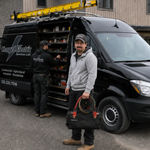
Tyler Weiss is a Master Electrician and the founder of Charged Electric, an ECRA/ESA licensed (7011473) and ISNetworld prequalified electrical contractor based in New Hamburg, Ontario. Since 2016, Tyler and his crews have wired homes and businesses across Kitchener-Waterloo and Wilmot Township while specializing in the work most electricians turn away: PLC programming, stainless steel control panels and washdown-rated installations for food processing plants. Every job is wired to the Ontario Electrical Safety Code and backed by 24/7 emergency response.
View all posts by Tyler Weiss →Tags
Share this post
Leave a comment
Your email address will not be published.
Your comment will be reviewed by an admin before it is published.